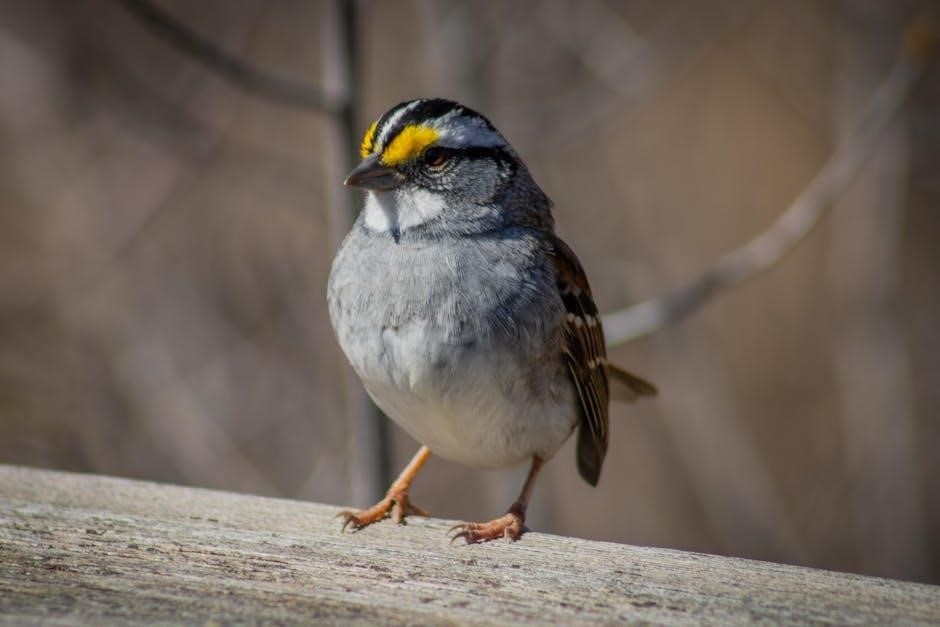
the laws guide to drawing birds
Want to sketch stunning birds? Our guide breaks down bird anatomy & drawing techniques – from feathers to beaks! Perfect for beginners & pros. Start creating beautiful bird art today!
Navigating the legal landscape of bird illustration requires understanding copyright law, especially concerning facts versus artistic expression․
Drawing birds, while inspired by nature,
demands awareness of potential infringement issues when utilizing reference materials, like photographs, to avoid legal complications․
Copyright Basics: Facts vs․ Expression
A foundational principle of copyright law distinguishes between protectable expression and unprotectable facts․ While the idea of a bird – its anatomy, species characteristics – constitutes a fact and is freely available, the artistic depiction of that bird is considered expression, and thus eligible for copyright protection․
You can observe a copyrighted photograph of a lion and subsequently create your own artistic representation, be it a cartoon or realistic painting, as long as you avoid directly replicating the original photograph’s composition․ Essentially, what a raccoon or giraffe looks like is considered factual information․ However, a specific, original arrangement of elements within an artwork – the pose, framing, and overall composition – is where copyright protection arises․
Educational purposes do not automatically grant permission to copy copyrighted images; textbooks, for instance, must still secure licenses for the photographs they utilize․
The “Originality” Requirement for Copyright
Copyright protection isn’t automatic; a work must demonstrate a minimal degree of originality to qualify․ This doesn’t necessitate groundbreaking innovation, but rather independent creation with even a slight touch of creativity․ Simply tracing or directly copying another’s work lacks originality and therefore isn’t copyrightable․
When illustrating birds, originality is established through your unique artistic choices – style, color palette, composition, and the overall expressive quality of your work․ Avoid slavishly replicating the composition of reference photographs; instead, use them as inspiration to inform your own distinct artistic vision․
Remember, the line between inspiration and infringement can be blurry․ Substantial similarity coupled with access to the original work raises concerns․ Demonstrating a unique creative process strengthens your claim to originality․
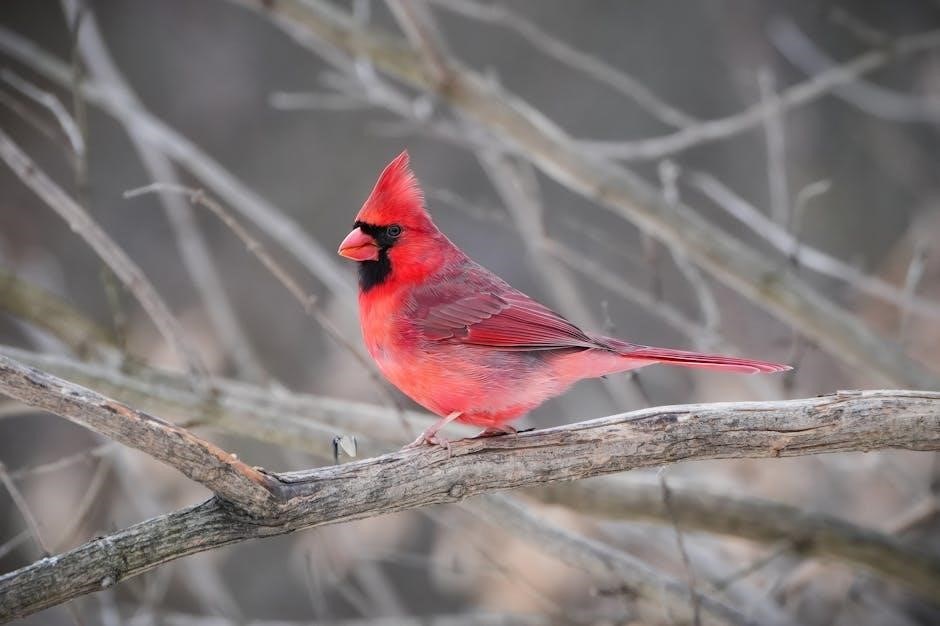
Understanding Copyright and Bird Imagery
Copyright safeguards original visual artwork, including bird illustrations, the moment it’s fixed in a tangible form․ Utilizing public domain images offers
freedom, but careful consideration is vital․
Copyright Protection Upon Fixation
The cornerstone of copyright law is that protection arises automatically when an original work is “fixed” in a tangible medium of expression․ This means, for bird illustrations, copyright exists the instant you complete your painting, drawing, or digital artwork․
It doesn’t require registration with the U․S․ Copyright Office, though registration offers significant legal benefits․ Fixation encompasses a wide range of forms – a sketch on paper, a digital file saved on your computer, or even a sculpture․
Essentially, once your creative idea takes a concrete form, it’s protected․ This principle applies to all visual arts, including graphic art, paintings, and illustrations․ Understanding this immediate protection is crucial for bird artists, as it establishes your rights from the moment of creation․
Visual Artwork and Copyright Law
Copyright law specifically protects “visual artworks,” encompassing a broad spectrum of creative expression relevant to bird illustration․ This includes paintings, drawings, sculptures, graphic art, and digital creations․ The law grants the copyright holder – typically the artist – exclusive rights to reproduce, distribute, display, and create derivative works based on their original artwork․
These rights are vital for bird illustrators seeking to control how their work is used commercially or personally․ Copyright doesn’t protect the idea of a bird illustration, but the specific expression of that idea․
Therefore, while anyone can draw a robin, copying a unique composition or style could constitute infringement․ Understanding these distinctions is key to navigating the legal boundaries of bird art․
Public Domain Images: Utilizing Free Resources
Fortunately, a wealth of bird imagery exists in the public domain, offering illustrators legally free resources for inspiration and reference․ Works enter the public domain when copyright protection expires, or when the creator intentionally dedicates their work to the public․ Examples include older illustrations, like Jean Bernard’s drawings, and paintings like Joseph Stella’s “Neapolitan Song” (1929)․
Websites like Rawpixel․com offer access to public domain images, clearly indicating their licensing status․ Using these resources allows artists to avoid copyright concerns when creating their own bird illustrations․ However, even with public domain images, it’s crucial to create original artwork, not simply copies․
Digitally enhancing public domain images is permissible, but the resulting artwork should demonstrate significant creative input․
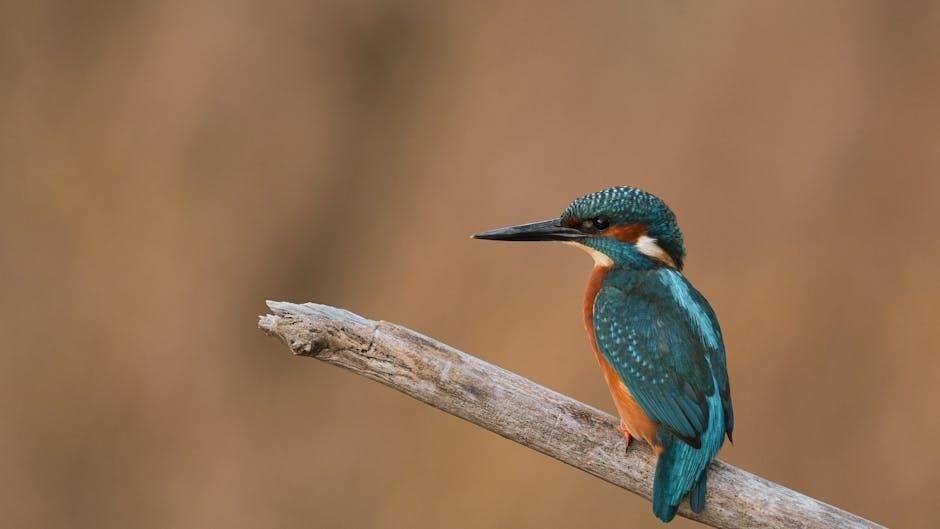
Navigating Copyright When Drawing Birds
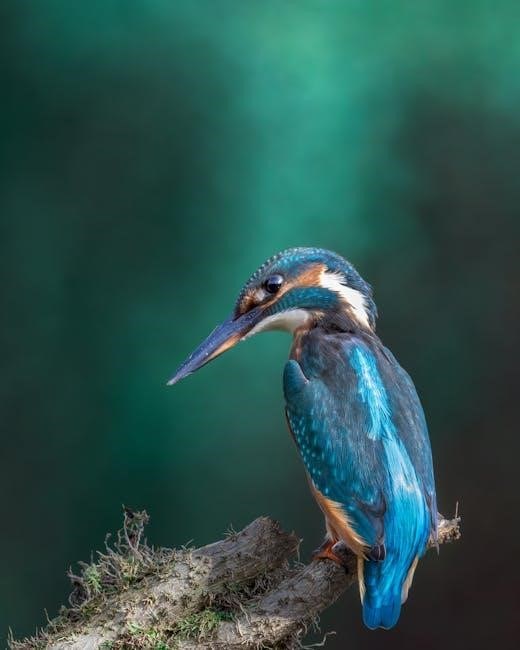
Successfully illustrating birds legally involves understanding how copyright applies to visual artwork and avoiding infringement when using reference photos․
Careful consideration of composition is key․
Drawing from Photographs: Avoiding Infringement
Utilizing photographs as references for bird illustrations is common, but crucial copyright considerations must be addressed․ Copyright protects the expression of an idea, not the idea itself – meaning you can draw a bird, as a bird’s appearance is a fact․ However, directly copying a photograph’s composition, pose, framing, and overall aesthetic constitutes infringement․
Avoid replicating the original photographer’s creative choices․ Instead, use photos to understand anatomy and details, then create your own unique interpretation․ Educational purposes do not automatically grant permission to copy copyrighted images; textbooks still require licensing․ Focus on transforming the reference material into something demonstrably original, altering elements significantly to establish your own artistic expression and minimize legal risk․
Composition and Copyright: The Key Distinction
The composition of a bird illustration is where copyright concerns are most prominent․ While depicting a bird itself isn’t copyrightable – a bird’s form is a factual element – the specific arrangement of elements within an image is protected․ Copying the pose, framing, and overall arrangement of a copyrighted photograph can lead to infringement, even if the bird is rendered in a different style․
Think of the Weezer album cover example: depicting a dog is fine, but replicating the entire scene is problematic․ Focus on creating a unique visual narrative․ Alter the bird’s pose, background, lighting, and perspective to establish a distinct composition that reflects your artistic vision, thereby avoiding potential legal issues․
Derivative Works: When is Inspiration Too Close?
A derivative work builds upon pre-existing copyrighted material, and creating one without permission is infringement․ When drawing birds from reference photos, the line between inspiration and derivation can be blurry․ Simply changing colors or adding minor details doesn’t automatically make a work original enough to avoid legal issues․
If your illustration closely resembles the original photograph’s overall aesthetic, mood, or key elements, it may be considered a derivative work․ Substantial transformation is crucial․ This means adding significant creative input, altering the core elements, and imbuing the artwork with your unique style to distance it from the source material․ Educational purposes do not exempt you from copyright laws․
Specific Scenarios & Legal Boundaries
Real-life bird observation offers a safe space for artistic creation, but referencing photos requires caution․ Utilizing multiple sources and stylistic abstraction
strengthens your legal standing․
Illustrating Birds from Life: Safe Territory
Direct observation of birds in their natural habitat presents the most legally secure ground for artists․ Because copyright protects expression, not facts – and a bird’s appearance is considered a factual element – sketching or painting a bird you’ve personally observed minimizes infringement risks․
When you create artwork directly from life, you are relying on your own perception and artistic interpretation of a naturally occurring subject․ This process inherently introduces originality, distancing your work from any pre-existing copyrighted material․
However, even with live observation, documenting your process (sketches, notes on plumage, behavior) can further solidify your claim to originality should any questions arise․ This demonstrates independent creation and reinforces your artistic intent․
Using Multiple References: Minimizing Risk
Employing numerous reference images, rather than fixating on a single source, significantly reduces the likelihood of copyright infringement․ The key lies in synthesizing information from diverse sources, transforming them through your unique artistic lens․ Avoid directly copying the composition, pose, or framing of any single photograph․
By blending details from several references – perhaps plumage from one image, posture from another, and background elements from a third – you create a new, original work․ This demonstrates transformative use, distancing your illustration from the original sources․
Remember, educational intent doesn’t automatically grant permission to copy․ Thoroughly alter and combine references to establish a distinct artistic expression, safeguarding your work legally․
Stylization and Abstraction: Strengthening Your Claim
Increasing the level of stylization or abstraction in your bird illustrations dramatically strengthens your copyright claim․ Moving away from photorealistic depictions and embracing artistic interpretation introduces significant originality․ Simplified forms, exaggerated features, and unique color palettes all contribute to a distinct visual style․
The further your work deviates from the original reference material, the less likely it is to be considered infringing․ Transforming a realistic bird into a cartoon, or employing a highly expressive painting style, demonstrates substantial creative input․
Abstraction minimizes the risk of replicating protectable elements of a photograph, focusing instead on your artistic vision․ This approach solidifies your ownership of the final artwork․
Copyright & Natural Creations
While nature itself isn’t copyrightable, the intricate artistry of bird bowers and beehives sparks debate․ A sui generis protection for animal creations may emerge․
Animal Creations & Potential for Protection
Currently, copyright law doesn’t extend to naturally occurring creations like bird bowers or beehives, despite their demonstrable artistic merit․ These structures, built by animals, showcase intricate designs and patterns – the bowers with distinct colors and the beehives with uniform hexagonal mazes – yet lack legal protection․
However, a growing discussion centers around the possibility of establishing a sui generis system, a unique legal framework specifically designed to protect these natural artistic expressions․ This would acknowledge the creativity inherent in animal creations, moving beyond traditional copyright boundaries․
Such protection isn’t about granting rights to the animals, but rather recognizing the value of their creations and potentially preventing exploitation without acknowledging the source of inspiration․ This concept is still in its early stages, but reflects a shifting perspective on the intersection of nature, art, and intellectual property․
Bird Bowers and Beehives: Artistic Inspiration
Bird bowers and beehives serve as compelling examples of naturally occurring artistry, frequently inspiring human artists․ These structures, though created by animals, exhibit remarkable design principles – the bowers displaying intricate color schemes and patterns, and beehives showcasing precise, labyrinthine hexagonal structures․
Artists often draw inspiration from these natural forms, incorporating their aesthetic qualities into illustrations and other artworks․ However, it’s crucial to remember that while the inspiration is permissible, directly replicating the specific arrangement or design of a bower or beehive could potentially raise copyright concerns if that arrangement is documented elsewhere․
The key lies in transforming the inspiration into something original, rather than creating a direct copy․ Utilizing these natural wonders as a starting point for unique artistic expression is encouraged, but mindful consideration of existing documentation is essential․
Practical Tips for Legal Compliance
Document your creative process meticulously, seek permission when using identifiable references, and understand the boundaries of fair use for legal bird art․
Documenting Your Process: Establishing Originality
Maintaining a detailed record of your bird illustration process is crucial for demonstrating originality and defending against potential copyright claims․ This documentation serves as evidence of your independent creation․ Keep dated sketches, preliminary studies, and notes outlining your artistic choices – composition, color palettes, and stylistic decisions;
Photographic evidence, such as time-lapse videos or screenshots of your digital workflow, can further solidify your claim․ If you utilize reference photos, meticulously log their source and how they were transformed into your unique artwork․ This isn’t about avoiding inspiration; it’s about proving substantial, transformative changes․
A well-maintained record demonstrates that your final illustration isn’t a mere copy, but a product of your own creative effort, bolstering your copyright position․
Seeking Permission: When in Doubt, Ask
When your bird illustration draws heavily from a specific copyrighted source – a photograph, another artwork – proactively seeking permission is the safest course of action․ Even if you believe your work falls under “fair use,” obtaining explicit consent eliminates legal ambiguity and potential disputes․
Contact the copyright holder (photographer, artist, or rights agency) and clearly explain your intended use․ Be prepared to negotiate licensing fees or usage terms․ A written agreement outlining the scope of permission is essential․
Remember, educational purposes don’t automatically grant exemption from copyright law; textbooks still require image licensing․ Don’t assume permission is implied․ A simple request can prevent costly legal battles and foster positive relationships within the artistic community․
Understanding Fair Use: Limited Exceptions
“Fair use” is a legal doctrine permitting limited use of copyrighted material without permission, but it’s a complex and often misunderstood concept․ It’s not a blanket exemption, and applying it requires careful consideration of four factors: purpose and character of use, nature of the copyrighted work, amount and substantiality of the portion used, and effect upon the potential market․
Transformative use – adding new meaning or expression – strengthens a fair use claim․ Simply copying a photograph’s composition, even with alterations, is unlikely to qualify․ Educational use can be a factor, but doesn’t guarantee protection․
Critically, fair use is determined on a case-by-case basis, and relying on it carries risk․ Seeking permission remains the most secure approach․
Resources for Copyright Information
Accessing reliable copyright guidance is crucial; the U․S․ Copyright Office website provides comprehensive information․ Explore Creative Commons licenses for alternative usage rights and options․
The U․S․ Copyright Office Website
The U․S․ Copyright Office website (www․copyright․gov) serves as the primary resource for understanding and navigating copyright law in the United States․ It offers a wealth of information, including details on copyright registration, search capabilities to investigate existing copyrights, and comprehensive explanations of copyright principles․
For bird illustrators, this website is invaluable for clarifying what constitutes copyrightable work – encompassing paintings, digital art, and illustrations – and understanding the protections afforded to original creations․ You can find guidance on fair use exceptions, which might apply in limited circumstances, and learn about the implications of using reference photographs․
Furthermore, the website provides access to official forms for registering your artwork, establishing a public record of your ownership, and strengthening your legal position should any infringement issues arise․ Regularly consulting this resource ensures you remain informed about evolving copyright regulations and best practices․
Creative Commons Licenses: Exploring Alternatives
Creative Commons (CC) licenses offer artists, including bird illustrators, a flexible alternative to traditional “all rights reserved” copyright․ These licenses allow creators to grant specific permissions for others to use their work, ranging from allowing non-commercial use with attribution to permitting adaptation and commercial exploitation․
When sourcing reference images, seeking out those licensed under CC can provide legally safe options, avoiding potential infringement․ Conversely, if you wish to share your bird illustrations while retaining some control, applying a CC license allows you to define the terms of use․
Understanding the different CC license types – Attribution, ShareAlike, NonCommercial, and NoDerivatives – is crucial․ Utilizing these licenses can foster collaboration and wider dissemination of bird art while respecting intellectual property rights․
Future Trends in Copyright & Animal Art
Emerging discussions around sui generis protection for animal creations, alongside AI’s impact on bird illustration, will reshape copyright law․ These shifts demand vigilance․
Sui Generis Protection for Animal Creations
The concept of sui generis protection proposes a unique legal framework specifically for naturally created works, like elaborate bird bowers or beehives․ Currently, copyright law primarily protects human authorship․ However, recognizing the inherent creativity displayed in these animal constructions raises questions about extending some form of legal recognition․
While no claims for copyright currently arise from these natural artworks, the increasing appreciation for animal ingenuity fuels debate․ Advocates suggest that acknowledging animal “creativity” could incentivize conservation efforts and prevent exploitation of these unique creations․ This wouldn’t necessarily grant animals ownership, but could establish rights against unauthorized commercial use or replication․
Applying this to bird illustration, a sui generis system might influence how artists utilize images of these natural structures, potentially requiring acknowledgement or benefit-sharing with conservation organizations․ It’s a developing area with significant implications for both art and animal welfare․
The Impact of AI on Bird Illustration Copyright
Artificial intelligence (AI) presents novel challenges to copyright law in bird illustration, particularly regarding authorship and originality․ If an AI generates an image based on prompts, determining who owns the copyright – the user, the AI developer, or no one – remains unclear․ Current legal precedent generally requires human authorship for copyright protection․
Using AI to create “new” bird illustrations based on existing copyrighted photographs raises concerns about derivative works and potential infringement․ If the AI heavily relies on a specific image’s composition or style, it could be deemed a violation․
Conversely, if an artist uses AI as a tool, significantly modifying the output with their own creative input, a stronger copyright claim may be established․ The future likely involves evolving legal interpretations to address AI-generated art and its impact on traditional copyright principles․