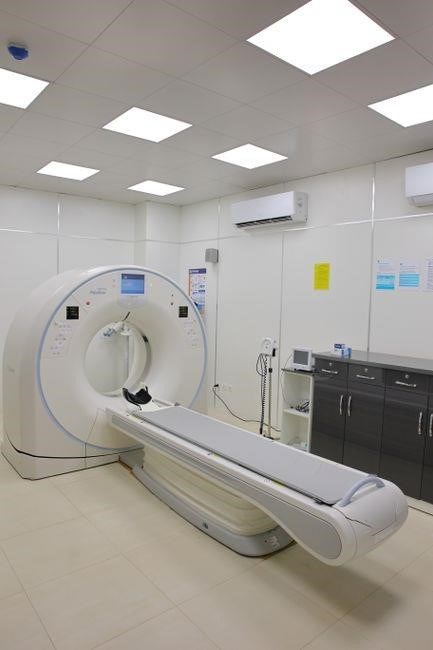
ct guided liver biopsy cpt code
Overview of CT Guided Liver Biopsy
CT‑guided liver biopsy employs cross‑sectional imaging to target hepatic lesions, enabling percutaneous sampling. The procedure pairs code 77012 for CT guidance with code 47000 for needle biopsy. Documentation of imaging parameters,needle trajectory, and specimen handling is mandatory for reimbursement!

Indications for Procedure
CT‑guided liver biopsy is indicated when imaging reveals focal hepatic abnormalities that require histologic confirmation; Common scenarios include: suspicious lesions on ultrasound, CT, or MRI that are not amenable to fine‑needle aspiration; lesions larger than 1 cm where core samples improve diagnostic yield; evaluation of metastatic disease from extra‑hepatic primaries; assessment of hepatic lesions in patients with altered coagulation profiles where image guidance minimizes bleeding risk; and monitoring of treatment response in known malignancies. The procedure is also reserved for patients with inconclusive non‑invasive tests or when a definitive diagnosis is essential for therapeutic decision‑making. Prior to the biopsy, adequate pre‑procedure laboratory work‑up (CBC, coagulation panel, liver function tests) and imaging review are required to ensure safety and procedural success. Additionally, CT guidance is preferred over ultrasound in patients with deep or poorly visualized lesions, in obese patients, or when precise needle placement is critical. The procedure is contraindicated in patients with uncontrolled coagulopathy (INR >1.5 or platelet <50,000/µL), severe ascites preventing safe access, or when the lesion is inaccessible due to overlying critical structures. Proper pre‑procedure imaging review and multidisciplinary discussion enhance diagnostic accuracy and reduce complications. The selection process often involves a multidisciplinary tumor to balance diagnostic benefit against procedural risk!
Procedure Overview
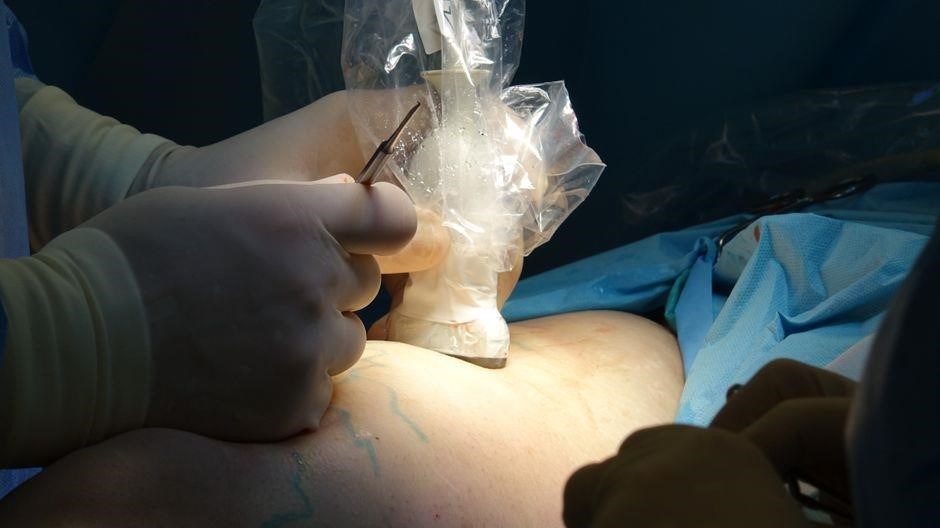
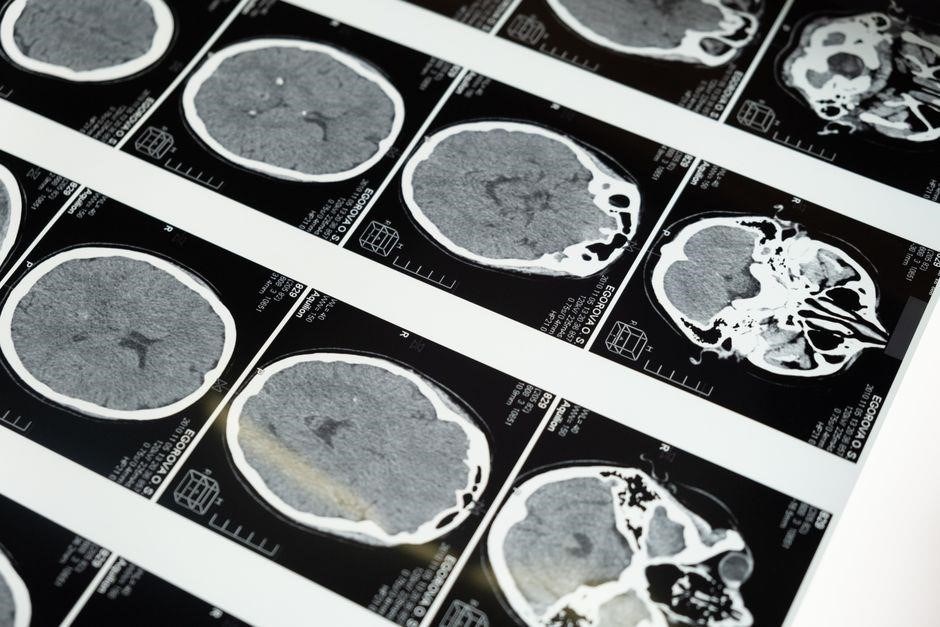
CT‑guided liver biopsy is a minimally invasive technique that uses cross‑sectional imaging to direct a percutaneous needle into hepatic lesions for core tissue sampling. The patient is positioned supine on a dedicated CT table, and a sterile field is created with surgical drapes, a needle guide, and local anesthesia at the planned puncture site. A low‑dose CT scan confirms the exact trajectory and verifies that no intervening vessels or organs lie in the needle path. The radiologist selects an appropriate core biopsy needle (typically 18‑ or 20‑gauge) and advances it under continuous CT imaging. The needle tip is placed within the lesion, and a core sample is obtained by rotating the needle or using a spring‑loaded mechanism. Multiple passes (usually 2–4) are performed to increase diagnostic yield. After each pass, a short CT scan checks for complications such as hemorrhage or pneumothorax. Once adequate tissue is collected, the needle is withdrawn, and a final CT scan confirms the absence of extravasation. The patient is observed for at least 30 minutes for vital sign stability and bleeding. Documentation must include the CT guidance code (77012), the percutaneous needle biopsy code (47000), the number of passes, needle gauge, and any adjunctive procedures. The specimen is labeled with patient identifiers, lesion location, and date, then sent to pathology for histologic analysis. This workflow ensures accurate sampling while minimizing patient risk and aligns with current CPT coding guidelines for reimbursement. Complication rates for CT‑guided liver biopsy are low, with major bleeding occurring in less than 1% of cases. Immediate post‑procedure imaging is recommended to detect occult hemorrhage, and a follow‑up ultrasound or CT may be ordered if the patient develops abdominal pain or hypotension. Strict safety protocols are followed. All safe. OK
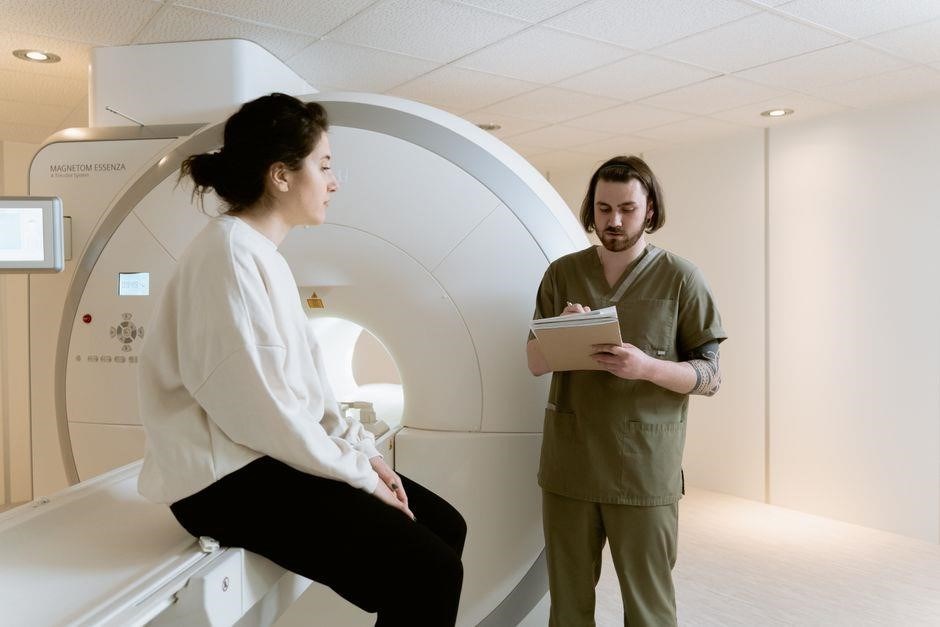
CPT Coding Basics
CPT codes are numeric identifiers for medical services, structured in three segments: a 5‑digit code, optional modifier, and professional component. For CT‑guided liver biopsy, 77012 covers imaging guidance, while 47000 covers the needle biopsy itself. ensures reimbursement.and!
What is CPT Code?
CPT, or Current Procedural Terminology, is a standardized numeric coding system maintained by the American Medical Association (AMA) that describes medical, surgical, and diagnostic services. Each code is five digits long and uniquely identifies a specific procedure or service performed by a clinician. CPT codes are used by healthcare providers, insurers, and government agencies for billing, reimbursement, and data collection. The coding system is updated annually to reflect advances in medical technology and changes in practice patterns. CPT codes are divided into three categories: Category I codes, which are the most common and are used for routine services; Category II codes, which are optional performance measurement codes; and Category III codes, which are temporary codes for emerging technologies. Accurate CPT coding is essential for proper documentation, compliance with payer policies, and ensuring that providers receive appropriate compensation for the services they deliver. In the context of a CT‑guided liver biopsy, the CPT code 77012 is used for the imaging guidance component, while 47000 is used for the percutaneous needle biopsy component. These codes must be reported together with any applicable modifiers to reflect the full scope of the procedure and to comply with payer requirements. Proper use of CPT codes helps maintain the integrity of medical billing and supports the overall efficiency of the healthcare system.
When coding a CT‑guided liver biopsy, clinicians must document the indication, the specific imaging modality used, the needle size, the number of passes, and the final pathology result. The coding guidelines stipulate that the imaging code (77012) must be reported when the procedure is performed under image guidance, and the biopsy code (47000) must be reported when a tissue sample is obtained. Modifiers such as 59 (distinct procedural service) or 26 (professional component) may be appended to indicate separate services or to delineate the professional portion of the procedure. Failure to include the correct combination of codes and modifiers can result in claim denial, underpayment, or audit risk. Therefore, meticulous chart review and adherence to the CPT coding manual are critical for accurate reimbursement and compliance with federal regulations.
Additionally, payers often require the use of the ICD‑10 diagnosis code that justifies the need for the biopsy, such as C22.0 for primary liver cancer or D34.1 for aplastic anemia. The combination of CPT, ICD‑10, and modifier codes creates a complete claim that accurately reflects the clinical service delivered.
Finally, coding professionals should stay current with updates from the AMA, CMS, and payer‑specific guidelines to avoid coding errors and ensure compliance with evolving reimbursement policies. Accuracy matters daily.
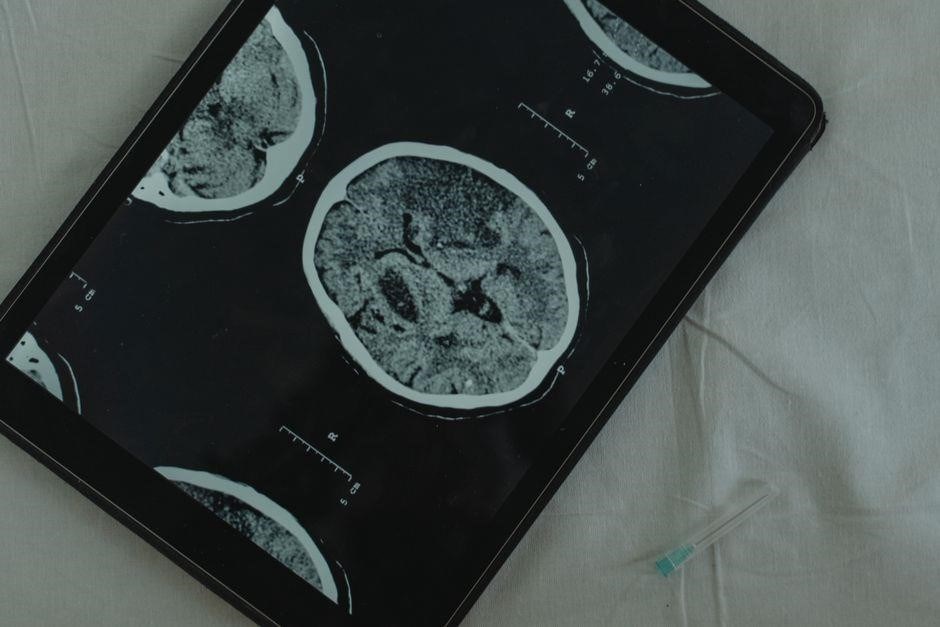
CPT codes are five‑digit numeric identifiers that describe medical services. The first digit indicates the general category, and the remaining digits give a detailed description. For example, 77012 is a radiology code for CT‑guided image‑driven needle biopsy, while 47000 covers the percutaneous needle biopsy component. This structure supports precise billing and data analysis. CPT codes are used by Medicare, Medicaid, and payers to standardize billing for reimbursement!
CPT Code Structure
Each CPT code follows guidelines that specify when it can be used, required modifiers, and its relationship to ICD‑10 diagnosis codes. The AMA updates the CPT manual annually, adding new codes for emerging technologies and retiring obsolete ones. Accurate coding aligns with current clinical practice and payer policies. Payers require documentation of lesion size and location for the procedure!
Common CPT Codes for CT Guided Liver Biopsy
In practice, a clinician verifies that the procedure matches the code’s description. For a CT‑guided liver biopsy, the radiology code 77012 covers imaging guidance, while 47000 covers the needle biopsy. Together, these codes provide a complete representation of the service delivered. The codes must be reported together.
Modifier Usage
Accurate coding requires chart review, clear documentation of imaging modality, needle specs, and sample count. CPT structure includes modifier rules that distinguish professional from technical components and separate services during the same encounter. Proper use ensures compliance and optimal reimbursement. The pathology report must link to the claim to support clinical necessity.

Common CPT Codes for CT Guided Liver Biopsy
For a CT‑guided liver biopsy, the standard codes are 77012 (CT guidance) and 47000 (percutaneous needle biopsy). Both must be reported together to capture imaging and tissue sampling. Documentation of needle size, number of cores, and lesion location is required for proper reimbursement. Accurate coding compliance vital!!!
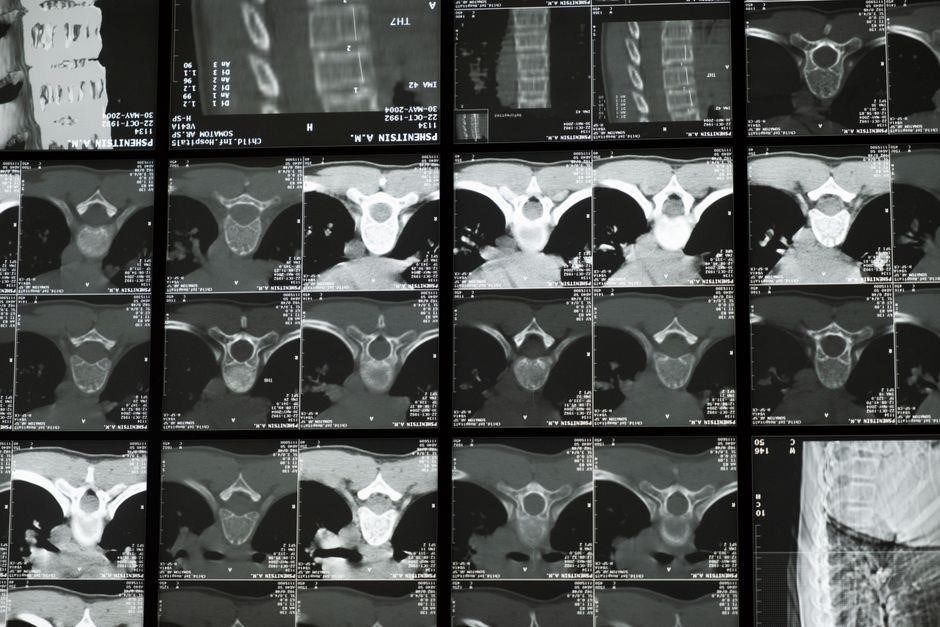
77012 – CT, guided image‑driven needle biopsy
Code 77012 represents the use of computed tomography to guide a needle biopsy of a target organ. The code is billed when the radiologist or qualified practitioner performs the imaging, interprets the images, and directs the needle placement in real time. It is a distinct procedural code that captures the imaging component separate from the tissue sampling code (e.g., 47000). The code requires that the provider documents the CT acquisition parameters, the number of images obtained, the needle trajectory, and the final location of the biopsy tract. In addition, the report must state that the needle was placed under image guidance, that the target lesion was identified on CT, and that the procedure was completed without complications. For reimbursement, the provider must submit a detailed operative report that includes the patient’s identifying information, the indication for the biopsy, the exact CT protocol used, and the technical aspects of the needle insertion. The code is not used for non‑image‑guided biopsies, and it cannot be combined with other imaging guidance codes for the same procedure. When billing 77012, the provider should also include the appropriate modifier if a professional component is being billed separately. Accurate coding of 77012 ensures that the imaging service is recognized and reimbursed appropriately, while the tissue sampling code captures the specimen collection. Separation allows tracking and compliance. The 77012 code is updated annually, so providers should verify the current codebook for any changes in description or billing requirements.
47000 – Percutaneous needle biopsy of liver
Code 47000 denotes the percutaneous needle biopsy of the liver performed under image guidance or otherwise. It is the primary procedural code that captures the act of inserting a needle into hepatic tissue to obtain a diagnostic specimen. It is used when a qualified practitioner, such as a radiologist, interventionalist, or surgeon, performs the biopsy and collects tissue for histopathologic evaluation. Documentation must include the patient’s identifying information, the indication for the biopsy, the specific liver segment targeted, and the number of passes performed. The procedural report should describe the needle size, the approach, and any adjunctive measures such as local anesthesia. The code is distinct from the imaging guidance code (77012) and may be billed in conjunction with it to reflect the combined services. When coding 47000, the provider must demonstrate that the needle was placed percutaneously, that the specimen was obtained, and that the procedure was completed without major complications. The code is not applicable to core needle biopsies performed under ultrasound guidance alone; in that scenario, the appropriate ultrasound guidance code must be used. For Medicare and private payers, 47000 is reimbursed at the physician fee schedule rate for the liver biopsy, and the payment is adjusted for the number of cores taken if the payer allows. Accurate coding of 47000 ensures that the tissue sampling component of the CT‑guided liver biopsy is properly captured and reimbursed, while the imaging guidance component is separately reported with 77012. Providers should review the most recent CPT manual for any updates to the code description or billing requirements before submitting claims!
Modifier Usage
Modifiers refine billing: 26 separates professional from technical components, 59 indicates distinct services. Use 26 with 47000 for the biopsy’s professional analysis, and 59 when the procedure is performed separately from imaging guidance (77012). Accurate coding. 1!!! compliance!
Modifier 26 – Professional component
Modifier 26 is applied to CPT codes that have separate professional and technical components, such as 47000 for a percutaneous liver biopsy. When a radiologist or pathologist reviews the specimen, interprets the histology, and documents findings, the professional component is billed with 47000‑26. The technical component (needle insertion, imaging guidance, specimen transport) is billed separately, typically with 77012 or 77013 plus the technical portion of 47000. Medicare and most private payers require that the professional component be billed only if the provider performed the interpretation and documentation. The modifier signals that the claim is for the professional portion, preventing double‑counting of the same service. Documentation must include a detailed pathology report, the pathologist’s signature, and a statement that the professional component was performed. Failure to attach the appropriate modifier can result in claim denial or payment reduction. For bundled services, the professional component may be excluded if the technical component is already covered, so careful review of payer policies is essential. In summary, use 47000‑26 to bill the expert analysis of the biopsy specimen while reserving the technical work under the standard code or a separate modifier. In practice, coding teams must verify that the professional component is not duplicated across multiple claims, as this can trigger audits. Documentation should reflect the pathologist’s signature and any additional tests during.
Modifier 59 – Distinct procedural service

Modifier 59 is used to indicate that a procedure or service is distinct or independent from other services performed during the same encounter. In the context of a CT‑guided liver biopsy, 77012 (CT guidance) and 47000 (percutaneous needle biopsy) are normally considered part of a single, integrated procedure. However, certain clinical scenarios—such as performing an additional, separate biopsy on a different hepatic segment, or when the imaging guidance is used for a second, unrelated lesion—may justify the use of modifier 59 to denote that the services are distinct. Coding guidelines state that modifier 59 should only be applied when the services are truly separate, not simply when they are performed in the same session. The modifier signals to payers that the claim is for a distinct service, preventing bundling and potential denial. Documentation must clearly describe the separate indications, anatomical locations, and procedural details for each service. For example, a note might state: “CT‑guided needle biopsy of segment IV (47000) performed; separate CT guidance (77012) for a second lesion in segment VIII.” The presence of modifier 59 requires that the provider provide evidence that the services were not part of the same procedural package. Failure to meet these criteria can result in claim denial or payment reduction. In practice, coding professionals should review payer policies, as some insurers have specific rules about the use of modifier 59 for imaging‑guided biopsies. When in doubt, consult the payer’s billing manual or contact the medical director for clarification. Proper use of modifier 59 ensures accurate reimbursement while maintaining compliance with coding standards. Additionally, modifier 59 is not a substitute for proper coding of the technical and professional components. It does not alter the base CPT code; it merely indicates that the service is distinct. The modifier is appended after the CPT code, e.g., 47000‑59. Payers may require a separate claim line for each distinct service, and the modifier helps differentiate them. When billing for multiple biopsies, each line should include the appropriate modifier to avoid bundling. Documentation should include imaging reports, operative notes, and any pathology reports that support the distinct nature of the procedures. Finally, keep abreast of updates to the CPT coding guidelines, as changes in the definition of distinct services can affect modifier usage.
Billing and Reimbursement Considerations
Billing for CT‑guided liver biopsy involves submitting 77012 and 47000 with appropriate modifiers. Medicare reimburses 77012 at 70% of the allowed amount and 47000 at 80%. Documentation must detail imaging, needle size, and pathology results to secure payment.Include a clear pathology report for each sample ASAP.
Allowed Payments and Medicare Coverage for 77012 & 47000
Medicare’s Physician Fee Schedule assigns specific allowed amounts for each CPT code. For 77012, the current national allowed payment is $1,200, with a 70% Medicare payment of $840. For 47000, the allowed amount is $1,500, and Medicare pays 80% of that, totaling $1,200. These figures are subject to geographic adjustments and the Medicare Physician Fee Schedule’s annual updates. When submitting claims, the practitioner must verify that the patient’s Medicare plan is active and that the procedure was performed within the covered setting. The codes are considered distinct services; therefore, both must be reported together to reflect the combined imaging and biopsy components. Failure to include the proper modifiers (e.g., –59 for distinct procedural service) can result in claim denial or partial payment. Additionally, Medicare requires documentation of the clinical indication, imaging findings, needle size, and pathology results. The pathology report must be transmitted electronically or faxed to the billing office within 30 days of the procedure to avoid delays. If the patient is under a Medicare Advantage plan, the insurer’s network rules may dictate a different payment structure, but the base Medicare payment remains the same. Finally, the practitioner should review the Medicare Administrative Contractor (MAC) guidelines for the specific region, as some MACs apply additional adjustments for high‑cost procedures or for patients requiring inpatient admission. When submitting, and policy the practitioner must verify that the patient’s Medicare plan is active and that the procedure was performed within the covered setting.
Documentation Requirements
Accurate, thorough, and complete documentation is essential for correct coding and reimbursement of CT‑guided liver biopsy (CPT 77012 and 47000). The medical record must contain the following elements:
- Clinical indication – clear statement of suspected pathology (e.g., focal hepatic lesion) and need for tissue diagnosis.
- Imaging findings – description of CT study, slice thickness, contrast use, and target lesion location.
- Procedure details – needle passes, gauge, and adjunctive devices. Note real‑time imaging guidance.
- Specimen handling – cores obtained, pathologist’s name, fixation method, and specimen sent to pathology.
- Complications – adverse events such as hemorrhage, bile leak, or infection.
- Follow‑up plan – imaging, repeat biopsy, or treatment recommendations.
- Signature and date – provider’s signature and date of procedure.
For Medicare and most private payers, documentation must be contemporaneous, meaning notes are written at the time of the procedure or within 24 hours. The pathology report should be transmitted electronically or faxed to the billing office within 30 days. Failure to meet these standards can lead to claim denial or payment reduction. If modifier 59 is applied, the record must state that the biopsy was performed as a separate service from the CT guidance. All documentation should be stored securely and be accessible for audit purposes. All documentation must be HIPAA‑compliant!