
bengal tiger at the baghdad zoo pdf
Discover the fascinating story of the Bengal tiger at the Baghdad Zoo! Download our exclusive PDF guide – photos, history & conservation details. Explore now!
Bengal Tiger at the Baghdad Zoo: A Comprehensive Overview
Rajiv Joseph’s play, inspired by a true event, explores themes of war, guilt, and spirituality through a ghostly tiger’s perspective in a ravaged Baghdad.
The Play’s Genesis and Author
Rajiv Joseph’s Bengal Tiger at the Baghdad Zoo originated from a news report detailing the harrowing experience of a Bengal tiger at the Baghdad Zoo during the 2003 invasion of Iraq. A US bomb struck the zoo, causing chaos and leaving the tiger starving and isolated. This sparked Joseph’s imagination, leading him to craft a surreal and deeply moving play.
He envisioned a ghost of the tiger returning to haunt the American soldiers stationed in Baghdad, grappling with questions of morality, faith, and the psychological toll of war. The play isn’t a literal retelling of events, but rather a poetic exploration of the war’s impact on both humans and animals, blending realism with magical elements.
Rajiv Joseph: Biographical Background
Rajiv Joseph is an American playwright and screenwriter, born in 1976. He’s known for his innovative and often unconventional storytelling, frequently blending humor with profound philosophical questions. His work often explores themes of identity, cultural displacement, and the search for meaning in a chaotic world.
Joseph’s plays have been produced at numerous prestigious theaters across the United States and internationally. He received a 2011 Drama Desk Award for Outstanding Play for Bengal Tiger at the Baghdad Zoo, solidifying his reputation as a significant voice in contemporary American theatre. He continues to write and develop new works, captivating audiences with his unique perspective.
Initial Reception and Awards (2011 Drama Desk Awards)
Bengal Tiger at the Baghdad Zoo garnered significant critical acclaim upon its premiere in 2009, praised for its daring structure and powerful exploration of wartime trauma. The play’s unconventional narrative and striking imagery resonated with audiences and critics alike.
In 2011, the production was recognized with multiple Drama Desk Awards, including Outstanding Play for Rajiv Joseph, and Outstanding Set Design for Derek McLane. Kathryn Bostic also received an award for Outstanding Music in a Play. These accolades highlighted the play’s artistic merit and cemented its place as a landmark achievement in contemporary theatre.

The Historical Context: Baghdad Zoo and the 2003 Invasion
In 2003, a US bomb struck the Baghdad Zoo during the invasion of Iraq, leaving a Bengal tiger starving and isolated within its enclosure.
The Baghdad Zoo Before the Invasion
Prior to 2003, the Baghdad Zoo, established in 1936, served as a significant public space and a symbol of Iraqi national pride. It housed a diverse collection of animals, including the Bengal tiger that forms the central figure of Rajiv Joseph’s play. The zoo offered a recreational outlet for families and a space for education about wildlife. However, under Saddam Hussein’s regime, the zoo faced challenges related to funding and maintenance, impacting animal welfare.
Despite these difficulties, the Baghdad Zoo remained a popular destination, representing a semblance of normalcy for Iraqi citizens. The presence of exotic animals, like the tiger, captivated the public imagination and contributed to the zoo’s cultural significance before the devastating impact of the invasion irrevocably altered its fate and the life of its inhabitants.
The Impact of the 2003 Bombing
In September 2003, during the US-led invasion of Iraq, a US bomb struck the Baghdad Zoo, initiating a period of chaos and destruction. Zookeepers fled for safety, abandoning the animals within their enclosures. This event directly led to the harrowing ordeal of the Bengal tiger, who was left starving and isolated in its pen. The bombing symbolized the broader devastation inflicted upon Iraqi infrastructure and civilian life during the conflict.
The immediate aftermath saw a breakdown in security and care for the zoo’s animals, highlighting the unintended consequences of war. The tiger’s plight became a poignant representation of the suffering experienced by both humans and animals amidst the violence and upheaval of the invasion.
The Tiger’s Ordeal: Starvation and Isolation
Following the 2003 bombing, the Bengal tiger endured a horrific period of starvation and profound isolation. Abandoned by fleeing zookeepers, the animal was left without food or water, slowly succumbing to the harsh realities of a war-torn environment. This extended period of deprivation not only threatened its physical survival but also deeply impacted its psychological state.
The tiger’s confinement within the bombed zoo, coupled with the absence of human interaction, created a desolate existence. This ordeal serves as a powerful metaphor for the broader suffering and displacement experienced during the Iraq War, emphasizing the vulnerability of life amidst conflict.

Characters and Their Symbolic Significance
The play’s characters—the tiger, Tom, Hendda, and Uday Hussein—represent guilt, the search for meaning, brutality, and the psychological scars of war.
The Tiger: A Ghostly Representation
The Bengal tiger, brought back to life as a ghost after the 2003 bombing, serves as a uniquely unsettling and poignant narrator. This spectral feline isn’t merely a victim of war; it embodies the suffering and spiritual emptiness left in the conflict’s wake.
Driven by a desperate search for God, the tiger wanders the devastated streets of Baghdad, questioning the meaning of its existence and the violence it has witnessed. Kathryn Hunter’s acclaimed performance brilliantly portrays the tiger’s grouchiness, vulnerability, and haunting presence.
Its ghostly form allows for a surreal exploration of trauma and the lingering effects of war, offering a perspective unbound by human limitations, yet deeply affected by human actions. The tiger’s journey is a powerful metaphor for the lost souls of Iraq.
Tom: The American Soldier’s Guilt
Tom, a young American soldier stationed in Baghdad, grapples with profound guilt stemming from his involvement in the war and a specific act of attempted kindness towards the tiger. He tries to feed the starving animal after the zoo bombing, a gesture that feels both compassionate and deeply inadequate.
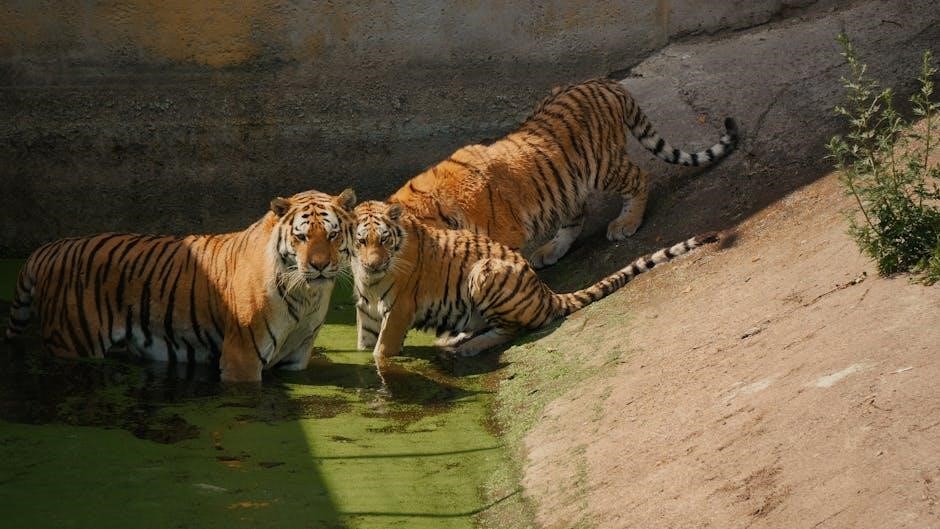
Haunted by the tiger’s ghostly presence, Tom embodies the psychological toll of war on those tasked with occupation. His interactions with the tiger force him to confront the moral ambiguities of his mission and the unintended consequences of military intervention.
He represents the broader American experience in Iraq – a well-intentioned presence entangled in a complex and devastating conflict, forever marked by the weight of responsibility and regret.
Hendda: The Sister’s Search for Meaning
Hendda, the sister of one of the zoo keepers, embarks on a desperate search for purpose amidst the chaos and destruction of post-invasion Baghdad. Her brother vanished during the bombing, leaving her adrift and questioning her faith. She seeks answers, not necessarily about his fate, but about the larger meaning of suffering and loss.
Hendda’s journey intersects with Tom and the tiger, creating a poignant exploration of grief, resilience, and the enduring human need for connection. She represents the Iraqi civilian population, grappling with the aftermath of war and the search for hope in a shattered landscape.
Her spiritual quest provides a counterpoint to the soldiers’ guilt and the tiger’s existential questioning.
Uday Hussein: Symbol of Brutality and Power
Uday Hussein, the deceased son of Saddam Hussein, appears as a spectral figure within the play, embodying the oppressive regime and the unchecked power that once dominated Iraq. He represents the arbitrary cruelty and violence that characterized his rule, even after his death, haunting the present.
His scenes are often darkly comedic, highlighting the absurdity of his past excesses and the lingering trauma inflicted upon the Iraqi people. Uday’s presence serves as a stark reminder of the political context surrounding the war and the suffering it engendered;
He is a symbol of unchecked authority and moral decay.

Themes Explored in the Play
The play delves into wartime guilt, the search for meaning amidst chaos, the absurdity of violence, and the profound psychological scars of trauma.
Guilt and Responsibility in Wartime

The play profoundly examines the weight of guilt carried by those involved in the Iraq War, particularly through the character of Tom, the American soldier. He attempts to alleviate the tiger’s suffering, yet embodies the larger consequences of the invasion.
Joseph explores how individuals grapple with responsibility for actions taken – and not taken – during conflict. The tiger’s ghostly existence serves as a constant reminder of the war’s devastating impact and the moral ambiguities faced by soldiers.
The narrative questions whether genuine remorse can ever fully absolve one from the repercussions of wartime decisions, highlighting the enduring psychological burden of conflict and the search for redemption in a landscape of destruction.
The Search for Spirituality and Meaning
Amidst the chaos of war-torn Baghdad, characters in the play embark on individual quests for spiritual understanding and meaning. The tiger, remarkably, seeks God, questioning its existence and the purpose of its suffering in a world consumed by violence.
Hendda, the sister, searches for her brother, representing a broader yearning for connection and hope in a fractured society. Even Tom, burdened by guilt, implicitly seeks solace and justification for his actions.
Joseph suggests that even in the most desolate circumstances, the human spirit persists in its need for faith and a higher power, highlighting the enduring power of belief as a coping mechanism.
The Absurdity of War and Violence
The play powerfully portrays the senselessness and illogical nature of war through its surreal and fragmented narrative. A talking tiger haunting the streets of Baghdad immediately establishes a world divorced from conventional reality, emphasizing the irrationality of the conflict.
Uday Hussein’s capricious brutality and Tom’s accidental involvement underscore the arbitrary nature of violence, where life and death are determined by chance and power.
Joseph utilizes dark humor and fantastical elements to expose the futility of war, questioning the justifications and consequences of human conflict in a deeply unsettling manner.
The Psychological Impact of Trauma
The play deeply explores the lasting psychological scars inflicted by war on both soldiers and civilians. Tom, haunted by his actions, embodies the guilt and moral ambiguity experienced by those involved in conflict. The tiger, a victim of violence and starvation, represents the collective trauma of a nation.
Hendda’s desperate search for meaning reflects the struggle to cope with loss and find purpose in a world shattered by violence.
Through fragmented scenes and surreal encounters, Joseph conveys the disorientation and emotional fragmentation characteristic of post-traumatic stress, offering a poignant portrayal of human suffering.

Staging and Performance Aspects
The production utilizes a surreal, non-linear structure, enhanced by Derek McLane’s evocative set design, mirroring Baghdad’s devastation and emotional landscape.
The Play’s Surreal and Non-Linear Structure
Rajiv Joseph deliberately eschews a traditional narrative, crafting a fragmented and dreamlike experience for the audience. Scenes shift abruptly, often without clear transitions, mirroring the disorientation and chaos of war-torn Baghdad. Characters appear and reappear, sometimes in unexpected contexts, blurring the lines between reality and the spectral realm.
This unconventional structure isn’t arbitrary; it reflects the psychological impact of trauma and the fractured memories of those affected by conflict. The play’s non-linearity forces the audience to actively piece together the story, much like individuals grappling with the aftermath of a devastating event. The ghostly presence of the tiger further contributes to the surreal atmosphere, challenging conventional notions of time and space, and prompting contemplation on mortality and the search for meaning amidst destruction.
Kathryn Hunter’s Acclaimed Performance as the Tiger
Kathryn Hunter’s portrayal of the tiger is widely considered a tour-de-force, garnering immense critical praise. She doesn’t rely on elaborate prosthetics or costuming, instead embodying the animal through intensely physical and vocal work. Hunter’s performance transcends mere imitation, capturing the tiger’s primal instincts, its loneliness, and its surprisingly philosophical musings.
Her ability to seamlessly shift between animalistic movements and articulate speech is breathtaking, creating a truly unforgettable stage presence. Critics have lauded her for conveying both the tiger’s ferocity and its vulnerability, making it a deeply sympathetic and haunting figure. Hunter’s performance elevates the play, transforming the tiger from a symbolic representation into a fully realized, emotionally resonant character.

Set Design and its Representation of Baghdad
Derek McLane’s set design powerfully evokes the devastation and surreal atmosphere of Baghdad during and after the 2003 invasion. The stage is often sparse, utilizing fragmented structures and debris to suggest the city’s fractured state. Projections and lighting are employed to create a sense of disorientation and the ever-present threat of violence.
The design isn’t literal; it prioritizes conveying the psychological impact of war over precise geographical accuracy. This abstract approach allows the play’s themes to resonate more universally. The set becomes a character itself, mirroring the characters’ internal turmoil and the city’s collective trauma, enhancing the play’s haunting and dreamlike quality.

Critical Analysis and Interpretations
The play functions as a potent critique of the Iraq War, utilizing magical realism to explore its psychological toll and the search for meaning.
The Play as a Commentary on the Iraq War
Rajiv Joseph’s work doesn’t offer a straightforward political statement, but rather a deeply unsettling exploration of the war’s human cost and moral ambiguities. The play avoids explicit depictions of combat, instead focusing on the fragmented experiences of those affected – soldiers, civilians, and even animals.
The tiger, as a ghostly presence, embodies the collateral damage and spiritual emptiness left in the wake of invasion. Through surreal encounters and non-linear storytelling, Joseph critiques the absurdity of violence and the difficulty of finding meaning amidst chaos. The bombed Baghdad Zoo serves as a potent symbol of a nation fractured and a disrupted natural order, prompting reflection on responsibility and guilt.
The Use of Magical Realism and Symbolism
“Bengal Tiger at the Baghdad Zoo” masterfully blends magical realism with potent symbolism, creating a haunting and thought-provoking theatrical experience. The talking tiger, a ghost seeking God, is central to this approach, representing the spiritual void and the lingering trauma of war.
The zoo itself symbolizes a lost Eden, disrupted by violence and representing the fragility of life. Characters often embody abstract concepts – Tom’s guilt, Hendda’s search for meaning, and Uday Hussein’s unchecked power. Joseph employs these elements to transcend a literal retelling of events, delving into the psychological and emotional landscapes of those impacted by conflict, fostering a deeper understanding.
The Role of Language and Dialogue
Rajiv Joseph’s script utilizes language as a crucial tool for character development and thematic exploration in “Bengal Tiger at the Baghdad Zoo.” Dialogue is often fragmented, poetic, and surreal, mirroring the fractured psychological states of those grappling with trauma.
The tiger’s pronouncements, philosophical and laced with sardonic wit, contrast sharply with the more grounded, yet equally troubled, speech of the human characters. This juxtaposition highlights the play’s central concerns about spirituality and the search for meaning amidst chaos. Language becomes a vehicle for expressing the inexpressible, revealing the emotional scars left by war and the struggle for connection.

Adaptations and Productions
The play has seen European premieres and international performances, with notable productions showcasing its unique staging and captivating audiences worldwide.
European Premieres and International Performances
Rajiv Joseph’s Bengal Tiger at the Baghdad Zoo garnered significant attention with its European premiere at the Young Vic in London, December 2011. Critics lauded the production’s “exciting wildness” and the surreal atmosphere it created, effectively portraying the war-torn Iraqi capital. This initial staging paved the way for further international performances, expanding the play’s reach beyond its American origins.
Productions subsequently emerged in various countries, adapting to diverse theatrical traditions while maintaining the core themes of the original script. These performances demonstrated the play’s universal resonance, prompting audiences globally to contemplate the complexities of war, trauma, and the search for meaning amidst chaos. The play’s adaptability allowed for creative interpretations, enriching its overall impact and solidifying its place in contemporary theatre.
Notable Productions and Casts
The 2011 production at the Kirk Douglas Theatre in Los Angeles, directed by John Tiffany, stands as a landmark staging of Rajiv Joseph’s play. However, the most celebrated aspect remains Kathryn Hunter’s astonishing performance as the Tiger. Her portrayal, described as embodying a “grouchy tiger looking for God,” garnered widespread acclaim and cemented her reputation as a versatile and captivating actress.
Other notable casts have included actors bringing nuanced interpretations to the roles of Tom and Hendda, exploring the characters’ internal struggles with guilt and the search for meaning. Each production has brought a unique dynamic to the play, showcasing the strength of Joseph’s writing and the actors’ ability to convey complex emotions within the surreal narrative.
The Play’s Continued Relevance Today
Despite being rooted in the specific context of the 2003 Iraq War, Bengal Tiger at the Baghdad Zoo resonates powerfully with contemporary audiences. Its exploration of the psychological toll of conflict, the search for meaning in the face of absurdity, and the enduring consequences of violence remain universally relevant.
The play’s questioning of responsibility and guilt in wartime continues to spark dialogue, particularly as global conflicts persist. Furthermore, the surreal and symbolic nature of the work allows for multiple interpretations, prompting reflection on the human condition and the enduring search for spirituality. Its continued staging demonstrates its lasting impact.